


The need to tighten our grocery budget has never been more significant. Food prices went up by 1.1% last year, adding to a 3.6% increase from the previous year and a staggering 13.1% the year before that. Food costs a lot right now. My family found that we could cut costs by a lot without compromising on quality.
We managed to cut our grocery budget in half and still served healthy, wholesome meals to my family of 4. Smart shopping strategies and consistent use of practical saving tips made this possible. Making meals at home saves more money and provides healthier options than eating out or ordering in. According to USDA guidelines, a person between 19 and 50 years should budget between $255 and $450 monthly for groceries. These 31 budget-friendly grocery techniques will help you save money at the store and keep an extra $200+ in your pocket monthly.
#1. Plan Your Meals Weekly
Meal planning is the foundation of a successful grocery budget. Time spent planning meals ahead will change how you shop, cook, and spend.
Plan Your Meals Weekly Benefits
Your grocery shopping on a budget gets better with meal planning in several ways. The practice helps you save money because you make fewer impulse purchases and can plan around sales. The average family wastes about $2,275 worth of food each year. Meal planning reduces this waste by a lot because ingredients get used more efficiently.
Meal planning saves time even though it needs some prep work upfront. Research shows all but one of these restaurant meals provide ideal nutritional quality. This makes home cooking cheaper and healthier. The practice also takes away the stress of figuring out what to eat at the last minute.
How to Start Meal Planning
Take 30 minutes each week before you go grocery shopping. Here’s a simple approach:
- Look at next week’s calendar and spot days when you need quick meals or leftovers
- Check your pantry, refrigerator, and freezer to use what you have
- Pick recipes that share ingredients to cut down on waste
- Make a shopping list based on store sections
Start with planning just 2-3 dinners per week. You can do more as you get comfortable with the routine. Note that you don’t need to cook every single day of the week.
Meal Planning Tools
Digital tools are a great way to get your grocery list on a budget ready. Plan to Eat comes with recipe storage, planning calendars, and shopping lists that build themselves. Users say they spend less on food and planning.
Prepear lets you plan 1-4 weeks of meals. Mealime focuses on creating shopping lists from your recipe picks. These tools often come with free trials or simple free versions that let you test them out.
A calendar or whiteboard works great too if you like the old-school approach to grocery saving tips. The secret lies in finding what works for you and sticking to it.
#2. Shop Your Pantry First
Your pantry holds one of the easiest ways to cut down grocery spending. People often rush to stores without checking their supplies at home. This habit leads to buying things they don’t need and wasting food.
Why Shop Your Pantry First
Looking through your pantry before shopping helps your grocery budget in several ways. We focused mainly on preventing duplicate purchases of items already in stock. Food waste drops substantially when you use ingredients before they spoil.
My pantry-first approach has helped me become skilled at cooking creatively and avoid meals that get pricey at restaurants. The USDA suggests families should spend about $1,490 monthly on groceries for all home-cooked meals. My budget stays much lower because I check my pantry before shopping.
How to Inventory Your Pantry
A proper inventory needs these steps:
- Empty and clean your pantry first to start with a clean slate
- Sort items into logical categories that match your cooking style
- Create “zones” in your pantry for each category to maintain organization
- Record everything as you return items to their proper places
You can track everything with a simple spreadsheet that’s available on your phone as a grocery saving tips tool. A printed inventory inside your pantry’s door lets family members mark used items.
Common Overlooked Items
Most shoppers can’t remember their pantry contents at the store. These often-forgotten pantry staples are crucial for grocery shopping on a budget:
Dried beans and lentils last almost forever with proper storage. They serve as perfect budget-friendly proteins. Canned goods like Vienna sausages, sardines, and chipotle peppers in adobo sauce often sit forgotten but pack amazing flavors. Simple ingredients like chicken bouillon and buttermilk powder can enhance regular dishes while stretching your grocery budget.
A few minutes each week to update your inventory before shopping cuts food costs dramatically. This simple habit helps you avoid buying things you already have.
#3. Make a Grocery List on a Budget
Making a well-planned grocery list is the third key part of grocery budget management. A good list helps you move through stores quickly and avoid those tempting impulse buys.
How to Create a Budget Grocery List
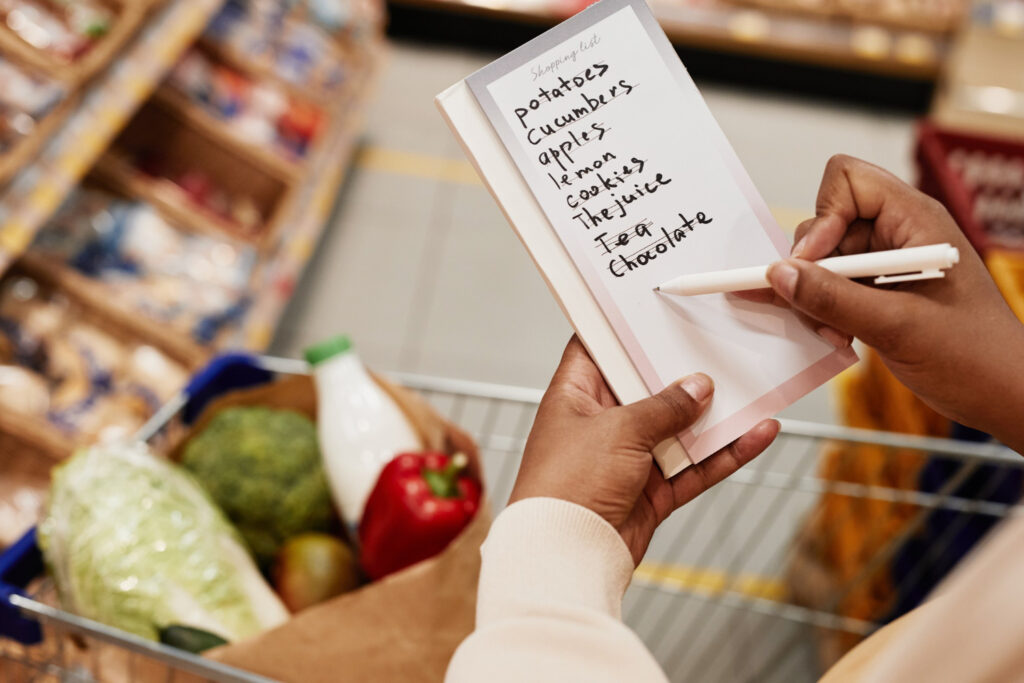
The right way to make your list can save you money:
- Snap a quick photo of your fridge, freezer, and pantry before you shop so you don’t buy stuff you already have
- Plan your meals for several days and list what you need
- Look through your pantry (like we talked about before)
- Group items by store section to shop faster
- Pick a spending limit and try to stay under it
You should feel proud when you spend less than planned – like spending just $55 on a $100 Target run. Yes, it is easier to stick to grocery shopping on a budget when you start with a clear spending limit.
Tools for List-Making
Several apps can make your grocery list on a budget much easier:
Out of Milk tracks what’s in your pantry and shows your total while you shop, so there’s no surprise at checkout. The app has a barcode scanner that makes adding items simple.
Listonic learns what you buy often and shows those items first. You can add prices to items, and the app calculates your total before you even reach the store.
Flipp helps you make lists and find deals at the same time, showing savings on your listed items right away. You can even add your loyalty cards and rewards programs right in the app.
Avoiding Impulse Buys
People spend about $151 each month on impulse buys. Here are some great ways to save money with grocery saving tips:
- Eat before shopping – hungry shoppers buy more stuff they don’t need
- Try a “no-spend challenge” for a month to break bad spending habits
- Skip those online ads and store suggestions
- Remove yourself from store mailing lists
- Set aside $50-75 as your “planned impulse” money for occasional treats
These strategies will definitely help improve your grocery budget right away.
#4. Use Grocery Store Apps
Smartphone apps have become powerful allies that help stretch your grocery budget in today’s digital world. These tools make it easy to find savings you might miss otherwise.

Best Grocery Store Apps
Several apps stand out with unique benefits for grocery shopping on a budget. Ibotta gives cash back on everyday purchases at major retailers like Walmart, Costco, and Trader Joe’s. Flipp brings weekly ads from stores like Whole Foods and Walmart together so you can compare prices easily.
Checkout 51 adds new offers every Thursday to help you save each week. Kroger’s app connects with their loyalty program and includes fuel rewards to save you more. New users often find that most shoppers (53%) prefer stores with apps over those without them.
How Grocery Apps Save Money
These tools help you save in different ways. Many apps track your grocery spending to help you stay within budget. Regular users typically earn $10-$20 monthly, while active users can make up to $100 per month.
Cash rewards aren’t the only benefit – you can stack savings by combining in-app coupons with manufacturer deals. Rakuten takes it further by offering percentage-based cash back at grocery stores. Most shoppers (73%) check item availability through apps before visiting stores, which saves unnecessary trips.
Tips for Using Apps Effectively
You’ll get the best results by picking apps that match your shopping style when learning how to shop for groceries on a budget. These apps work best when they become part of your shopping routine.
To get the most value:
- Plan your orders ahead to avoid impulse buys
- Stay ready to answer your shopper’s questions if using delivery
- Load coupons and savings to your account before checkout
- Use several apps together to maximize your savings
While some users (20%) aren’t happy with their app experience, these tools offer valuable grocery saving tips worth trying out.
#5. Buy Store Brands Over Name Brands
Buying store brands has become my go-to way to save money on grocery budget. This simple switch saves a lot of money and the quality stays just as good for most household items.

Store Brand vs Name Brand
Store brands (also called private labels) are products that retailers sell under their own name instead of a manufacturer’s brand. Americans used to prefer name brands, but shopping habits have changed. Store brands now make up almost one in every five grocery items sold in the U.S.. Surprisingly, shoppers only spend about a quarter of their packaged food budget on these cheaper options. Many people don’t know that store brands often come from the same factories as their expensive counterparts. Similar products roll down different conveyor belts and just get different labels at the end of production.
Quality Comparison
Store and name brands have become much closer in quality. Consumer Reports found that 78% of shoppers rated store brands just as good as national brands in blind tests. Most everyday items like pasta, rice, flour, and canned goods taste pretty much the same. Retailers have put a lot of work into making their private-label products better. Many now sell premium and organic versions that go head-to-head with mid-tier and premium national brands. My kitchen experiments show that store-brand cereals, snacks, and dairy products taste just like their name-brand versions.
Savings Potential
Choosing store brands can affect your wallet in a big way. These products usually cost 40% less than name brands. Shoppers at Wegmans and Stop & Shop saved about $50 on a 20-item shopping list—that’s more than $200 each month. A family that spends $12,000 yearly on groceries could save up to $4,800 every year. Name-brand items over $5 offer the biggest discounts, with things like olive oil costing half as much. U.S. shoppers save more than $40 billion each year by choosing store brands.
#6. Buy in Bulk When It Makes Sense
Bulk buying helps manage your grocery budget smartly. Shoppers can save an average of 27% when they buy larger quantities of common products.
When Bulk Buying Works
Smart bulk buying works best with non-perishable items you use regularly. Before you load up your cart, ask yourself:
- Will you save enough compared to regular prices?
- Can you use everything before it goes bad?
- Do you have enough storage space?
Families who spend $12,000 yearly on groceries can save big with bulk buying. The higher upfront costs need careful planning because wasted food means wasted money.
Best Items to Buy in Bulk
Some items give you amazing savings when bought in larger quantities:
Paper towels top the list with savings up to 63%. Bottled water saves you 58%, batteries 54%, and cooking oils are great bulk buys too. Pasta, rice, beans, and nuts stay fresh for months with proper storage. Salt, pepper, and vanilla extract make sense because they last almost forever.
Your best bets are non-perishables with long shelf lives that you use often. Skip bulk buying perishables unless you have a big family or can freeze extra portions properly.
Storage Tips
Good storage turns bulk buying into a grocery saving tips goldmine. Airtight containers keep everything fresh. Glass jars or tupperware work great for everyday items, while mylar bags or pail containers handle bigger quantities better.
The FIFO method (First In, First Out) helps prevent food waste. Your storage area should stay between 50-70°F, away from heat and direct light. Oxygen absorbers help dry goods last longer.
Space-challenged shoppers can get creative. Empty attics work great for paper products, and clean trash cans on wheels can store large quantities of flour.
#7. Batch Cook Your Meals
You can optimize your grocery budget by spending a few hours batch cooking each week. Cooking larger quantities in one session saves you time and money throughout the week.
Benefits of Batch Cooking
Batch cooking helps you save time efficiently. You can save more than 5 hours compared to daily cooking by dedicating just 1-2 hours weekly to meal prep. This practice helps trim your grocery budget because you won’t be tempted to order takeout meals. It also cuts down on food waste – the biggest problem since families throw away thousands of dollars worth of food each year.
Pre-made meals help you stick to your health goals because you won’t need to rely on fast food with questionable ingredients. You won’t have to stress about “what’s for dinner” every day. This consistency supports both your wellness and financial goals.
How to Batch Cook Efficiently
The quickest way to start batch cooking is to gather your tools: airtight glass containers, freezer bags, mixing bowls, and fresh ingredients. Beginners can try the “3 by 2” strategy – cook three different meals and eat each one twice during the week.
Here are my recommended approaches:
- Cook basic “base” ingredients that you can turn into multiple meals
- Keep proteins, grains, and vegetables separate to mix and match
- Wait to add sauces and seasonings until reheating time for more flexibility
Best Meals for Batch Cooking
Some dishes work better than others for batch cooking. Soups and stews like beef bourguignon, vegetable soup, and chicken tikka masala freeze well. You can double recipes for casseroles like lasagna and shepherd’s pie and freeze half for later. Sauces such as pasta sauce, curry bases, and marinades give you lots of options.
Proteins like pulled chicken, meatballs with chickpeas, and vegan dishes such as five-bean chili are great foundations for batch cooking. To maximize savings on your grocery shopping on a budget, pick recipes with versatile, affordable ingredients that you can transform into different meals throughout the week.
#8. Freeze Leftovers and Ingredients
Your freezer can help stretch your grocery budget further. I’ve saved hundreds on groceries by using proper freezing techniques to preserve food that would spoil.
What to Freeze
Most foods freeze differently, and you might be surprised by what you can actually freeze. Block cheese freezes well but becomes slightly crumbly – perfect to shred and melt. Bread and baked goods stay fresh up to three months when wrapped correctly.
Soups, stews, and casseroles make excellent freezer meals. You can portion and freeze cooked rice and grains to create quick meal bases. Fresh produce needs some prep work – spinach goes straight into the freezer in its bag, but vegetables with high water content do better when you sauté or puree them first.
Properly wrapped proteins like shredded chicken, ground beef, and fish store perfectly. You can even freeze tablespoon-sized portions of pantry staples like tomato paste to use later.
Freezing Tips
Food texture stays better when you cool items before freezing to prevent large ice crystals. Let hot food cool completely in the refrigerator to preserve its quality.
Pick the right containers:
- Straight-sided glass jars work great for liquids and keep odors from mixing
- Freezer-grade plastic bags with air squeezed out suit meats and flat items best
- Deli containers handle soups and stews perfectly
Label everything with contents and date so you don’t end up with mystery packages that go to waste. Package foods in single-use portions since repeated thawing ruins quality.
Avoiding Freezer Burn
Food surfaces develop dry, leathery spots called freezer burn when moisture evaporates. Wrap foods tightly in freezer paper or use vacuum sealers to minimize air exposure.
Keep your freezer temperature steady at 0°F to prevent fluctuations that cause freezer burn. Leave some space between items – good air circulation helps maintain the right temperature.
Small items like berries or meatballs should freeze individually on a tray before bagging to prevent clumping. This way, you can grab just what you need without thawing the entire bag.
#9. Use Coupons and Digital Deals
Coupons are the life-blood of smart grocery shopping on a budget, and digital options make this money-saving strategy easier than ever. A weekly savings of just $10-20 through smart coupon use can add up to hundreds of dollars over a year.
Where to Find Coupons
Smart shoppers should look beyond traditional paper clippings to maximize their savings:
- Grocery store apps and websites featuring weekly digital deals
- Loyalty programs offering exclusive member discounts
- Coupon aggregator sites like Coupons.com and The Krazy Coupon Lady
- Newsletters from grocery stores and manufacturers
- Product packaging for future purchase discounts
- Back of receipts (check before discarding)
Retailers now offer digital-only deals through their apps. To name just one example, Kroger’s app features over 200 digital coupons, including substantial savings like $5 off deli or bakery purchases.
How to Use Coupons Strategically
Skip “extreme couponing” and focus on practical approaches instead.
Make sure to test coupon codes before checkout to avoid any frustration. You can stack multiple discounts by combining store coupons with manufacturer coupons to maximize your savings. Your digital platforms will show your total savings history, which helps keep you motivated.
This approach helps you develop a natural habit of checking for coupons before buying anything. Note that loyalty program membership unlocks exclusive discounts, individual-specific experiences, and sometimes even early sales access.
Couponing Apps
Several specialized tools improve your savings beyond store-specific apps:
Cash-back apps like Ibotta, Upside, and Fetch Rewards work like coupons but with simpler processes. Ibotta lets you select offers and scan receipts after shopping—no scissors needed. Rakuten provides cash back for purchases plus numerous coupon codes.
Browser extensions like Honey find and apply coupon codes automatically during online checkout. These tools make the tedious coupon search process a thing of the past.
#10. Avoid Pre-Packaged and Pre-Cut Foods
Pre-cut and pre-packaged foods might look convenient, but they eat away at your grocery budget faster than most other items. These products come with a hefty markup that changes what you get for your money.
Why Pre-Packaged Costs More
A pack of pre-cut fruits and vegetables costs up to three times more than buying them whole. You pay extra for someone else’s work – cutting, packaging, and cleaning. The packaging materials and shorter shelf life add to the cost. These foods might save time but they’ll get pricey quickly. Home-cooked meals end up cheaper (-€0.60 per four portions) than processed ones, even after counting ingredients and energy costs.
DIY Alternatives
Here are some quick ways to avoid pre-cut produce:
- Set aside 30 minutes once or twice a week to prep vegetables
- Keep your prepped vegetables in airtight containers dry – moisture makes them spoil faster
- Split and freeze ingredients like tomato paste, herbs, and chopped vegetables so they’re ready when you need them
Pre-cut items make sense for people with mobility issues or during super busy times. Whole foods aren’t just cheaper – they’re better for you too. Cutting exposes produce to oxygen, light, and heat, which reduces its nutrients.
Savings Breakdown
The money difference adds up fast – whole produce costs up to 200% less than its pre-cut version. Pre-sliced mushrooms and cut watermelon cost almost twice as much as whole ones. Pre-cut apple’s price tag is four times higher than buying them whole.
A family can save hundreds each month by picking whole foods and doing the prep work themselves. Processed foods might seem like a time-saver, but the numbers tell a different story. Home-prepared meals cost much less (-€0.84 per four portions) than ready-made ones. Just a few minutes of prep work leads to big grocery saving tips that pay off over time.
#11. Stick to a Weekly Grocery Budget
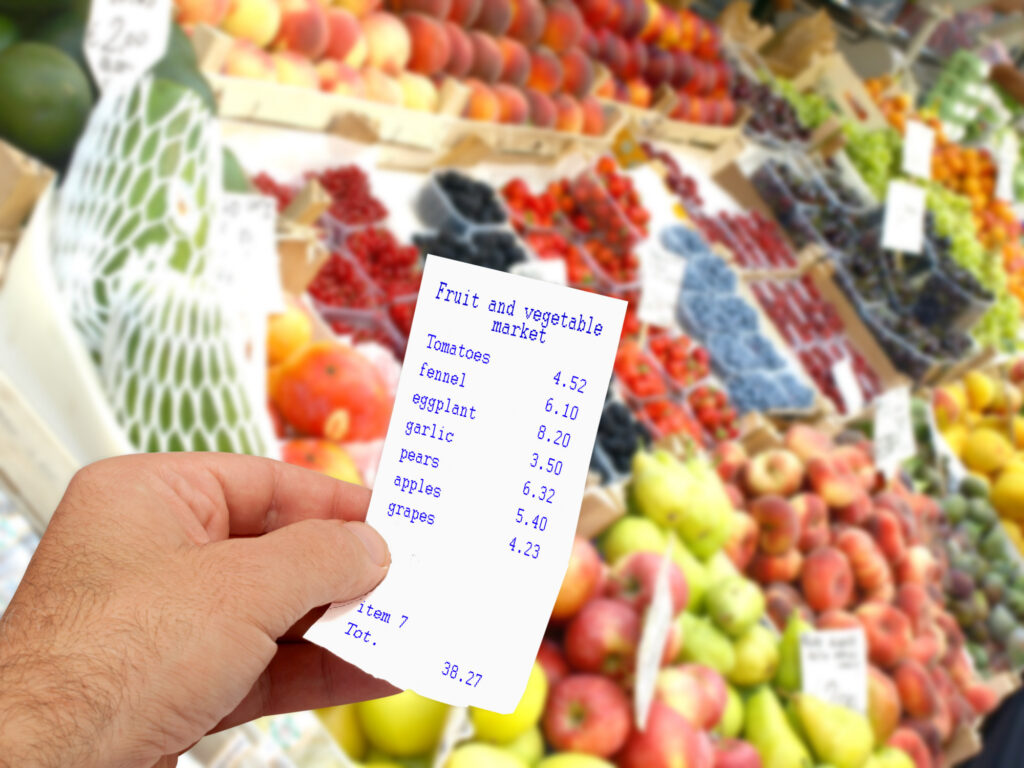
A concrete weekly grocery budget serves as the foundation of successful money management. Your well-laid-out spending plan creates accountability and stops financial surprises at the checkout counter.
Setting a Grocery Budget
The first step is figuring out what makes sense for your household. USDA data shows a moderate-cost food plan for one adult ranges between $76.92 and $96.72 weekly. The thrifty plan costs anywhere from $56.88 to $78.12 weekly. Families of four typically spend around $985 monthly on groceries.
The 50/30/20 rule provides a practical solution—put 50% of your after-tax income toward essentials (including groceries), 30% toward wants, and 20% into savings. Your specific budget should factor in:
- Family size and composition
- Dietary restrictions or priorities
- Regional food costs
- Shopping frequency
Several online calculators help set realistic targets based on these factors. The USDA updates food plans regularly at different budget points: Thrifty, Low-Cost, Moderate-Cost, and Liberal.
Tracking Your Spending
Keeping tabs on every food-related expense is crucial. Here are some quick ways to track spending:
- Use your phone calculator while shopping to keep a running total
- Best Budget ($0.99) app lets you create a dedicated grocery spending category
- Keep receipts in a designated jar and look them over monthly
Cash payments work great if you like hands-on approaches. One budget expert puts it this way: “It’s impossible to go over your budget when you’re paying with cash”.
Adjusting Your Budget
Your original budget will need some tweaking. Spending over your target means cutting back the following week to even things out. A $100 budget with $110 spent one week means aiming for $90 the next.
Stay flexible but committed. Sometimes you’ll need to move money from your “wants” category to cover essentials like groceries. Look at your budget monthly to spot patterns and make realistic changes.
A grocery budget is simple to create—staying on track takes consistency and purpose. Your financial habits today shape your financial freedom tomorrow.
#12. Cook More, Eat Out Less
Eating out too often can drain your wallet fast. The numbers tell a clear story – a home-cooked meal costs about $4.23, while a basic restaurant meal costs $16.28. You pay almost 285% more to eat out!
Cost Comparison: Home vs Dining Out
Without doubt, the money difference adds up quickly. People save about $12 each time they cook at home instead of eating out. This adds up to $13,000 in savings yearly for the same amount of food. The savings look even better without counting parking fees, tips, and appetizers. New home cooks find they can control their ingredients and portions better. This helps them manage both their budget and weight more effectively.
Easy Meals to Cook at Home
These budget-friendly meals need little effort but taste great:
- Hearty bean stews with butternut squash and tomatoes
- Simple pasta dishes with sardines to get affordable omega-3s
- Tasty coconut fish curry you can make in 30 minutes
- Chicken and green pepper stir-fry with lemongrass and ginger
Time-crunched days call for one-pan meals like honey-soy chicken thighs or sheet-pan fajitas. These give you healthy options with less cleanup.
Meal Prep Tips
Start with foods that need the most cooking time on prep day – proteins, whole grains, and legumes. Next, prep the basics everyone likes: washed greens, hardboiled eggs, chopped fruits, and cooked beans.
Your meal prep’s success depends on good storage. Put dates on all prepped items and keep foods that spoil quickly at eye level in your fridge. Foods last different lengths of time in the fridge: cooked ground meat (1-2 days), soups and stews (3-4 days), cooked beans (5 days), and hard-boiled eggs (1 week).
Busy schedules make meal prep essential. One hour of weekly prep saves more than five hours compared to daily cooking. This makes it worth your time for both your health and grocery budget.
#13. Use Versatile Ingredients
Smart meal planning with versatile staples will cut your food costs and open up more meal options. Your grocery budget goes further when you pick ingredients that work in multiple dishes.
Top Versatile Ingredients
These affordable pantry items serve many cooking purposes:
- Eggs – A protein powerhouse that works in sandwiches, salads, breakfast dishes, and as binding agents in recipes
- Rice and grains – Quinoa, brown rice, and farro are the foundations of countless meals and can improve breakfast dishes
- Beans (canned or dried) – Are a great way to get protein at a fraction of meat’s cost, while working in salads, soups, and dips
- Frozen vegetables – Stay fresh longer than fresh ones and work great in stir-fries, soups, or side dishes
- Canned tomatoes – Change into pasta sauces, soups, curries, and stews for under $2 per can
Oats stand out as both breakfast staples and recipe ingredients. They cost just 24 cents per ounce and offer amazing versatility.
How to Use Them in Multiple Meals
“Component cooking” helps you get the most from your ingredients. To cite an instance, see how a big batch of whole grains, basic proteins, and roasted vegetables becomes the foundation for various meals.
Prepping ingredients instead of complete meals lets you put together creative dishes all week. Your marinated beans, pre-cooked quinoa, and roasted chicken can become grain bowls, salads, wraps, or pasta dishes based on your cravings.
Budget-Friendly Recipes
These affordable meals showcase versatile ingredients:
Bean stews with butternut squash make filling, protein-packed meals. Canned tomatoes mixed with pantry spices create tasty soups that pair perfectly with grilled cheese. Canned fish works well as affordable protein in pasta dishes, sandwiches, or salads.
Everything gets used when you focus on versatile ingredients. That roasted chicken becomes the star of several meals and stretches your grocery shopping on a budget further than you’d expect.
#14. Shop Seasonal Produce
Shopping according to nature’s calendar can help you cut down food costs. Seasonal eating gives you a smart way to keep your grocery budget in check while enjoying fresher, better-tasting food.
Why Seasonal Produce is Cheaper
Simple economics of supply and demand make seasonal produce cheaper. Local fruits and vegetables flood the market during their peak season, which naturally drives prices down. Out-of-season items cost more because suppliers must transport, refrigerate, and store them specially—costs that consumers pay directly.
You can save real money this way. Seasonal items at farmers’ markets cost less than their out-of-season counterparts. Stores often run sales on seasonal items because they have plenty in stock. These foods give you better value since they pack more nutrients after ripening naturally on their parent plants.
How to Know What’s in Season
You have several helpful resources to spot what’s in season:
- The Seasonal Food Guide app and website shows state-by-state harvest times
- Local farmers’ markets display what grows in your region now
- Lower prices and prominent displays at grocery stores point to seasonal items
- Country of origin labels help—domestic produce tends to be more seasonal than imported options
Getting to know your area’s growing cycles helps you save money on groceries long-term. You’ll learn that asparagus shows up in spring while apples reach their peak in fall.
Seasonal Shopping Tips
Your meal planning should start with available ingredients rather than picking recipes first. Store pricing trends tell you when items switch between seasons.
Most people pick recipes then shop, but try sorting your recipe collection by season instead. Learning to freeze and can food helps stretch those seasonal savings across the year.
Smart seasonal shopping on a grocery budget means knowing which items stay available year-round, like carrots, potatoes, and onions, thanks to their storage qualities. This helps you create balanced meals by mixing seasonal finds with pantry basics.
#15. Avoid Shopping When Hungry
Shopping with an empty stomach can wreck your budget. Research shows hungry shoppers buy more food and spend substantially more on non-food products—up to 60% more than those who shop on a full stomach.
Why Hunger Affects Spending
The science behind hunger-driven spending is the sort of thing I love. Hunger creates an acquisitive mindset that makes people grab more stuff, whatever the items cost or if they’re free. This basic instinct doesn’t just push us toward food. It affects our choices about everything in our cart. Research shows hungry shoppers picked up 70% more non-food items compared to satisfied shoppers. Hunger weakens our ability to make good decisions and turns us into less disciplined shoppers.
Tips to Avoid Impulse Buys
Your wallet can stay safe with these practical strategies:
- Eat before shopping – A quick snack before grocery shopping stops you from making impulsive purchases that hurt your financial goals
- Apply the 24-hour rule – Wait 24 hours before buying non-essential items. This cooling-off period helps you decide if you really need it
- Shop well-rested – Tiredness, like hunger, makes you choose unhealthy food and buy unnecessary convenience items
- Stick to your list – Good preparation and checking items off your list helps you stay focused on what you need
Smart Shopping Habits
Building consistent habits makes your shopping more disciplined. Shop when you’re emotionally balanced—not too happy or sad. Research shows strong emotions make us buy things we don’t need, whatever those feelings might be.
Watch out for supermarket psychology tricks that trigger hunger. Stores place sample stations near the edges. We tested these specific products but they also get your salivary glands going and make you hungrier. The bakery, deli, and fresh produce sections at the front of stores serve a similar purpose. They hit your senses with tempting smells that boost your appetite.
#16. Compare Unit Prices
Small numbers on grocery shelf tags hold the key to smart grocery budget management. Learning to use unit pricing helps you make smarter buying decisions at the store.
What is Unit Pricing
Unit pricing displays product costs in standard measurements that let you compare different sizes and brands effectively. This system came about in the 1970s to help shoppers assess the best package size whatever the packaging differences might be. Products have specific standard units – beverages use liters, meat uses pounds, and some items use count. This information helps consumers make smart choices without packaging tricks getting in their way. Research proves that shoppers who understand unit pricing save between 17-18% on their grocery bills.
How to Read Unit Prices
The small numbers on shelf tags show price per ounce, pound, or count. Most stores put this information on the price tag’s left side. You can calculate these prices yourself when tags seem confusing. Just divide the total price by the quantity in ounces, pounds, or other units. A quick example: a 12-ounce jar of peanut butter costs $2.78, so $2.78 divided by 12 gives you $0.23 per ounce. Remember to compare similar units – ounces with ounces and pounds with pounds.
Examples of Unit Price Savings
In stark comparison to this common belief, bigger packages don’t always save you money. To name just one example, see:
- A 92-ounce detergent at $12.97 ($0.14/oz) beats a 146-ounce container at $24.49 ($0.17/oz)—making the smaller size 19% cheaper
- Bagged potatoes cost 67% less than loose ones
- A whole chicken at $1.32/lb beats separate parts at $4.64/lb—this is a big deal as it means that you pay 250% more for parts
Convenience packaging costs more too. One store’s mayo in a squirt bottle was $15.27/quart while the regular jar cost $10.64/quart – a 30% difference. These examples show why unit pricing skills are the foundations of smart grocery shopping on a budget.
#17. Use a Smaller Cart or Basket
Your shopping cart wields unexpected influence over how much you spend. That grocery cart started as a clever invention to make customers buy more. Now it might be working against your grocery budget without you even knowing it.
Psychology of Cart Size
Cart size and spending share a deeper connection that stores carefully planned. Empty carts create a psychological urge in shoppers to fill up all that space. People buy extra items they never meant to get just because their cart looks too empty. Retailers noticed this behavior and made their carts bigger. Cart sizes doubled between 2009 and 2011. They knew shoppers would fill whatever space they had, needed or not.
How It Affects Spending
Money flows faster with bigger carts. Shoppers spend 40% more money the moment cart size doubles. Small changes make big differences too. Moving the handle position leads customers to spend 25% more on groceries. Shopping baskets tell a different story. Basket users stick to their essential items because space runs out quickly. They finish shopping in 7 minutes while cart users take 13 minutes. Less time means fewer impulse buys.
When to Use a Basket
Baskets work best if your shopping list stays reasonable. A basket creates natural boundaries for grocery shopping on a budget and gives your arms a workout too. Bigger trips might need those “millennial shopping carts” with two tiers – they strike a nice balance and help control overspending.
Some situations need regular carts. Physical limitations, shopping with kids, or real stock-up trips make standard carts the right choice. The best grocery saving tips come from knowing what fits your needs while staying alert to store tactics that push you to spend more.
#18. Shop Less Frequently
Weekly shopping trips can affect your finances in amazing ways. Research shows families save about $100 each month by shopping less often. This makes it a powerful grocery budget strategy.
Benefits of Fewer Grocery Trips
Shopping less often brings many advantages to your life. Each extra trip exposes you to marketing tactics that trigger impulse purchases. Small midweek trips “add up quick and can lead to impulse buys”. Fewer visits give you less chance to stray from your planned purchases.
Money isn’t the only benefit – you’ll save precious time too. I found that cutting just one weekly grocery trip saves me 2-3 hours monthly that I’d “rather spend kneading bread or rolling pasta”. This extra time lets you focus on activities you love.
How to Plan for Weekly Shopping
Your weekly shopping success depends on good preparation:
- Set up cloud-based shopping lists to add items as they run out
- Go shopping alone to avoid extra items in your cart
- Weekday evenings beat crowded Saturdays for a better experience
- Look through markdown sections for items near their “best buy” date – most can go in your freezer
Reducing Waste
Food waste changes based on how often you shop and your household’s needs. Families with regular eating patterns waste less food with fewer shopping trips. In stark comparison to this, homes with changing needs might do better with more frequent visits.
Weekly shopping naturally shifts how you eat. People tend to eat perishables first, then stored foods, and frozen items last – this creates a natural food rotation that cuts waste. Planning your weekly menu around food you already have leads to creative meals that make use of existing ingredients.
Comparison Table
| Tip Name | Main Benefit | Potential Savings | How to Implement | Interesting Fact |
|---|---|---|---|---|
| Plan Your Meals Weekly | Cuts down random purchases | Not specified | Take 30 minutes each week to plan | Families waste $2,275 in food yearly |
| Shop Your Pantry First | Stops buying duplicates | Not specified | Create an organized inventory system | USDA suggests families spend ~$1,490 monthly |
| Make a Grocery List on Budget | Stops impulse buys | Not specified | Snap photos of fridge/pantry before you shop | People spend $151 monthly on impulse buys |
| Use Grocery Store Apps | Makes saving easier | $10-$100 monthly | Layer multiple apps for better savings | 73% use grocery apps to check stock |
| Buy Store Brands | Costs much less | 40% less than name brands | Start with pantry basics | Store brands help people save $40 billion yearly |
| Buy in Bulk | Better prices for volume | 27% average savings | Best for items that don’t spoil | Bulk paper towels save up to 63% |
| Batch Cook Meals | Less likely to order takeout | Not specified | Cook 3 meals, eat each twice | Saves over 5 hours compared to daily cooking |
| Freeze Leftovers | Reduces food waste | Not specified | Let food cool before freezing | Keep freezer at 0°F always |
| Use Coupons | Stack multiple discounts | $10-20 weekly | Mix store and manufacturer coupons | Digital deals often beat paper coupons |
| Avoid Pre-Packaged Foods | Raw ingredients cost less | Save up to 200% | Prepare produce at home | Pre-cut fruit costs 3x more than whole |
| Stick to Weekly Budget | Helps track spending | Not specified | Follow USDA food plan guidelines | Singles spend $56.88-$96.72 weekly |
| Cook More, Eat Out Less | Saves substantial money | $12 per meal | Try simple one-pan meals | Home cooking costs $4.23 vs. $16.28 eating out |
| Use Versatile Ingredients | Gets more from each item | Not specified | Cook components separately | Oats cost only 24 cents per ounce |
| Shop Seasonal Produce | Better value and freshness | Not specified | Build meals around what’s in season | Seasonal items usually cost much less |
| Avoid Shopping Hungry | Reduces impulse buys | Save up to 60% | Eat something before shopping | Hungry shoppers grab 70% more non-food items |
| Compare Unit Prices | Find the best deals | 17-18% savings | Check price per unit on shelves | Bigger sizes aren’t always cheaper |
| Use Smaller Cart | Fewer impulse purchases | 40% savings | Use basket for quick trips | Bigger carts lead to 40% more spending |
| Shop Less Often | Reduces extra purchases | $100 monthly | Use cloud shopping lists | Saves 2-3 hours monthly on shopping |
Conclusion
These 31 money-saving strategies will give you the tools to reshape your grocery shopping experience. You can cut your grocery budget by a lot when you use even a few of these techniques. Your family will still enjoy tasty, nutritious meals.
Smart grocery budget management needs good planning and clever shopping habits. Starting with just three or four tips will quickly affect your monthly costs. These habits will become automatic over time and bring lasting money benefits.
You don’t need to give up quality or variety to keep a good grocery budget. Smart shopping lets you enjoy better meals for less money. Your dollar goes further when you cook in batches, freeze what’s left, and use ingredients in different ways. This actually gives you more cooking options.
The comparison table shows how each tip helps in its own way. Some tips help prevent waste. Others help cut the cost per item. Together, they form a complete system to optimize your grocery spending.
Families can save more than $200 each month when they stick to these principles. This adds up to thousands in yearly savings for debt payoff, vacations, or retirement funds.
My family’s story proves these strategies work in real-life situations. Our eating habits improved and food costs dropped when we started planning meals. We saved lots of money by checking unit prices and shopping less often. This cut down our impulse buys too.
Pick the tips that fit your lifestyle best and start using them today. Focus on coupons, seasonal shopping, or batch cooking – your grocery budget will improve. You don’t need to be perfect. Small, consistent changes lead to amazing results.
These practical strategies will help you direct your way through grocery stores with confidence. You’ll know exactly how to get the most value for your money. Your grocery budget can show off your money smarts and household management skills instead of causing stress.
Key Takeaways
Smart grocery shopping can realistically save families $200+ monthly through strategic planning and disciplined shopping habits.
- Plan meals weekly and shop your pantry first – This prevents duplicate purchases and reduces the $2,275 worth of food the average family wastes annually.
- Choose store brands over name brands – Save 40% on average while getting virtually identical quality, potentially saving $4,800 yearly for families spending $12,000 on groceries.
- Cook at home instead of dining out – Home-cooked meals cost $4.23 versus $16.28 for restaurant meals, saving approximately $12 per meal.
- Use smaller carts and shop less frequently – Doubling cart size increases spending by 40%, while shopping once weekly saves around $100 monthly by reducing impulse purchases.
- Compare unit prices and avoid pre-packaged foods – Unit price awareness delivers 17-18% savings, while whole produce costs up to 200% less than pre-cut alternatives.
The most effective approach combines meal planning with strategic shopping habits—start with 3-4 techniques and gradually build your money-saving routine for sustainable long-term results.
FAQs
Meal planning can significantly cut costs by reducing spontaneous purchases and food waste. By dedicating 30 minutes weekly to plan meals, you can save money by planning around sales and using ingredients efficiently. The average family wastes about $2,275 worth of food annually, which meal planning can help prevent.
In many cases, store brands offer comparable quality to name brands at a much lower price. On average, store brands cost 40% less than their name-brand counterparts. In blind taste tests, 78% of shoppers rated store brands equal to national brands. Switching to store brands can potentially save a family up to $4,800 annually on groceries.
Cooking at home can lead to substantial savings. The average home-cooked meal costs about $4.23, while an inexpensive restaurant meal runs about $16.28. This translates to savings of approximately $12 per meal. Over a year, cooking at home instead of eating out can save more than $13,000 for the same quantity of food.
Yes, cart size can significantly impact spending. When cart size doubles, consumers typically spend 40% more, often without realizing it. Using a smaller cart or basket can help limit impulse purchases and keep you focused on buying only what you need. For smaller trips, consider using a basket, which leads to faster shopping (averaging 7 minutes compared to 13 minutes for cart users) and less opportunity for impulse buys.
Shopping less frequently, ideally once a week, can help save money. Research shows that shopping less frequently saves the average family around $100 monthly. This is because each additional shopping trip increases exposure to marketing tactics designed to trigger impulse purchases. Planning for weekly shopping trips requires thoughtful preparation but can lead to better budgeting and less food waste.
